Healthy Salmon Recipe
I first made this healthy salmon recipe during a season when I was trying to simplify my meals without sacrificing flavor.
Like many home cooks, I had fallen into a cycle of eating the same grilled chicken dinners week after week. They were nutritious, but honestly, they became boring fast. One evening, I picked up a fresh salmon fillet, a lemon, and a few herbs from the market, hoping to create something that felt a little more special.
As the fish roasted, the kitchen filled with the smell of garlic and citrus, and I knew I had found something worth repeating. When I sat down to eat, the salmon was flaky, tender, and incredibly satisfying.
Since then, this meal has become one of my favorite options whenever I want something nourishing, delicious, and simple enough for a busy weeknight.
Why This Recipe Works
Here’s the thing: salmon naturally provides a combination of protein and healthy fats that can help you stay satisfied longer after a meal.
Unlike many diet-focused recipes that leave you searching the pantry an hour later, this dish feels substantial while still fitting into a balanced eating plan. The lemon brightens the flavor, the garlic adds depth, and the herbs create freshness without adding unnecessary calories.
The secret is cooking the fish just long enough to remain moist while allowing the surface to develop a light golden finish. From my experience preparing salmon for family dinners over the years, the simplest approach often produces the most reliable results. The result is a meal that tastes comforting and satisfying while still supporting healthy eating habits.
Ingredients
| Ingredient | Quantity | Purpose |
|---|---|---|
| Salmon fillets | 4 (6-ounce) fillets | Main protein source |
| Olive oil | 2 tablespoons | Moisture and healthy fat |
| Garlic cloves, minced | 4 cloves | Savory flavor |
| Lemon juice | 2 tablespoons | Brightness and freshness |
| Lemon zest | 1 teaspoon | Concentrated citrus flavor |
| Fresh parsley, chopped | 2 tablespoons | Fresh herbal note |
| Fresh dill, chopped | 1 tablespoon | Aromatic flavor |
| Paprika | 1 teaspoon | Color and mild warmth |
| Sea salt | 1 teaspoon | Flavor enhancement |
| Black pepper | ½ teaspoon | Balanced seasoning |
The combination of fresh lemon, garlic, herbs, and salmon creates a flavorful meal without relying on heavy sauces or complicated ingredients.
Step-by-Step Instructions
Step 1
Start by preheating your oven to 400°F and preparing a baking tray with parchment paper. Pat the salmon dry with paper towels because removing excess moisture helps the fish cook evenly and develop a better texture. In a mixing bowl, combine the olive oil, garlic, lemon juice, lemon zest, parsley, dill, paprika, salt, and pepper until everything is fully blended. Brush the mixture generously over each fillet, making sure every surface receives some seasoning.
From my experience, taking an extra minute to spread the mixture evenly makes a noticeable difference in flavor. As you work, you’ll immediately notice the fresh aroma of lemon and herbs filling the kitchen. Place the seasoned fillets on the prepared tray, leaving a little space between each piece.
Step 2
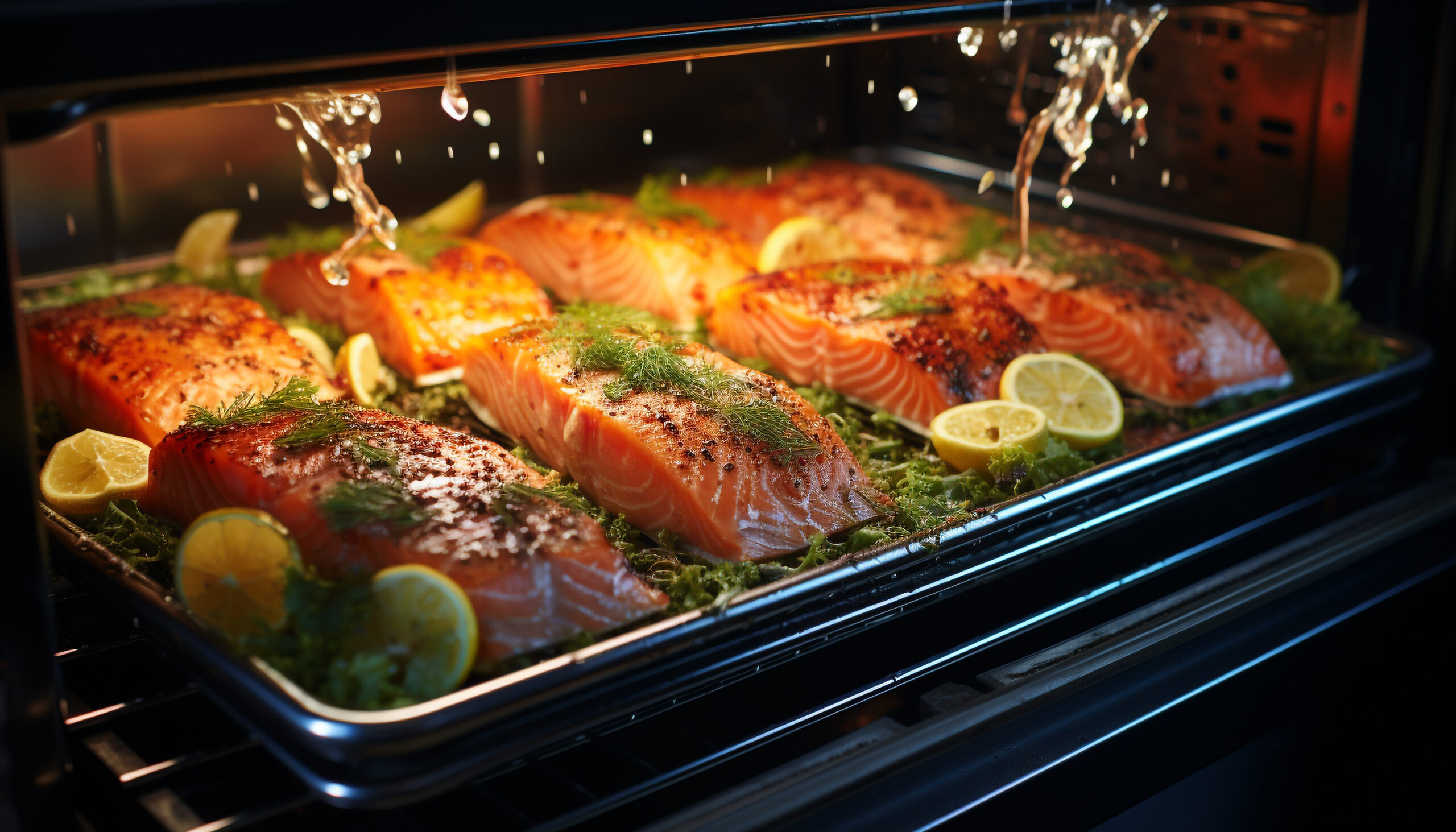
Transfer the tray to the center rack of the oven and bake the fish for approximately 12 to 15 minutes depending on thickness. While the fish cooks, resist the urge to repeatedly open the oven door because that releases heat and can affect consistency.
The salmon should gradually turn opaque while remaining moist in the center. Here’s the thing: overcooking is one of the most common mistakes people make with salmon. You’re looking for flesh that flakes easily with a fork while still appearing juicy. During cooking, the smell of roasted garlic and citrus begins to spread throughout the house. By the end of this stage, the top should have a light golden appearance.
Step 3
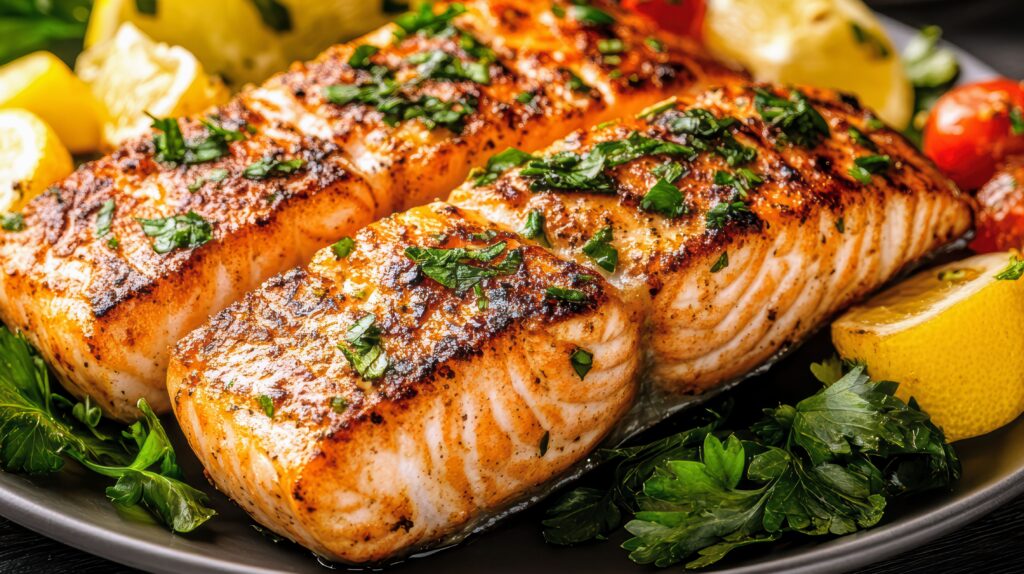
Remove the fish from the oven and allow it to rest for 3 to 5 minutes before serving. This brief resting period helps retain moisture and improves texture throughout the fillet. Spoon any juices from the tray over the fish before plating because those juices contain concentrated flavor. The surface should look lightly golden while the inside remains tender and flaky. From my experience, this small resting step prevents the fish from falling apart too quickly when served. Garnish with additional herbs or lemon wedges if desired. The final result is a meal that feels fresh, satisfying, and surprisingly elegant despite requiring very little effort.
Pro Tips & Common Mistakes
5 Pro Tips
The first tip is to buy fillets that are similar in thickness. Consistent sizing allows all portions to finish cooking at roughly the same time, which makes meal preparation much easier. I learned this lesson after cooking mixed-size fillets and ending up with some pieces overcooked while others needed more time. Uniform cuts create better results and simplify timing. The texture becomes more predictable from piece to piece. Trust me on this, it makes a difference.
The second tip is to use fresh lemon whenever possible. Fresh citrus provides brighter flavor than bottled alternatives and creates a cleaner finish. From my experience, guests often notice the difference immediately. The fresh aroma alone improves the entire cooking experience. It takes only a minute longer to prepare. The payoff is well worth the effort.
The third tip is to season confidently but not excessively. Salmon has wonderful natural flavor that doesn’t need to be buried under too many spices. What most people don’t realize is that restraint often creates a better meal. A few carefully chosen ingredients usually outperform a long seasoning list. Balance is the goal. Let the fish remain the star.
The fourth tip is to monitor cooking time carefully. Even two extra minutes can noticeably change texture. From my experience, slightly undercooked salmon tastes far better than overcooked salmon. Watch for easy flaking rather than relying entirely on the clock. The center should remain moist. Timing matters.
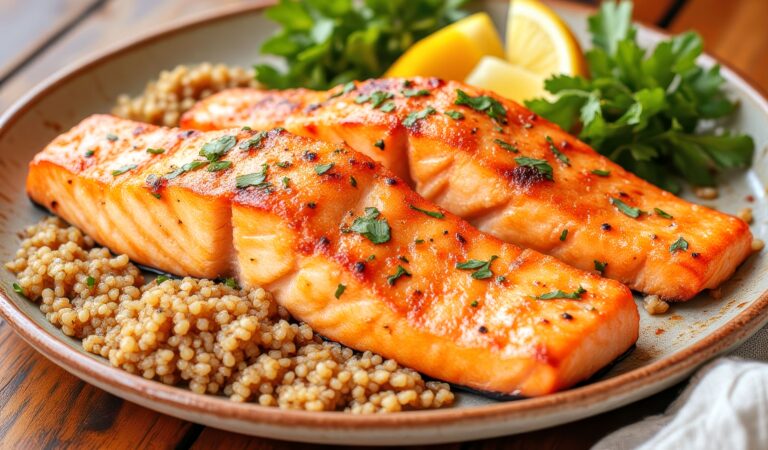
The fifth tip is pairing the meal with simple side dishes. Steamed vegetables, quinoa, or a crisp salad complement the fish beautifully. I learned over time that heavy sides can overwhelm the clean flavors of the salmon. Keeping things simple creates a more balanced plate. The herbs and citrus remain noticeable. Every component works together.
4 Mistakes to Avoid
One common mistake is cooking the fish straight from the refrigerator. Extremely cold fish sometimes cooks unevenly and may require additional time in the oven. From my experience, letting it sit out for about 15 minutes improves consistency. The center cooks more evenly. The fix is simple. Better texture usually follows.
Another mistake is using too much oil. While healthy fats are beneficial, excessive oil can make the meal feel heavier than intended. I learned this after testing several versions of the recipe. The salmon already contains natural richness. A moderate amount works best. Balance creates a better final dish.
Many cooks overcook salmon because they worry about food safety. Unfortunately, overcooked fish becomes dry very quickly. From my experience, watching for easy flaking produces better results than extending cooking time unnecessarily. The fix is paying attention during the final minutes. Moisture equals flavor. Tender fish is the goal.
The final mistake is skipping seasoning. Even simple dishes need enough flavor to remain interesting. I learned the hard way that under-seasoned salmon can taste flat despite excellent cooking technique. Salt, garlic, and herbs create depth without overwhelming the fish. The difference is immediate. Small details matter.
3 Variations
Mediterranean Version
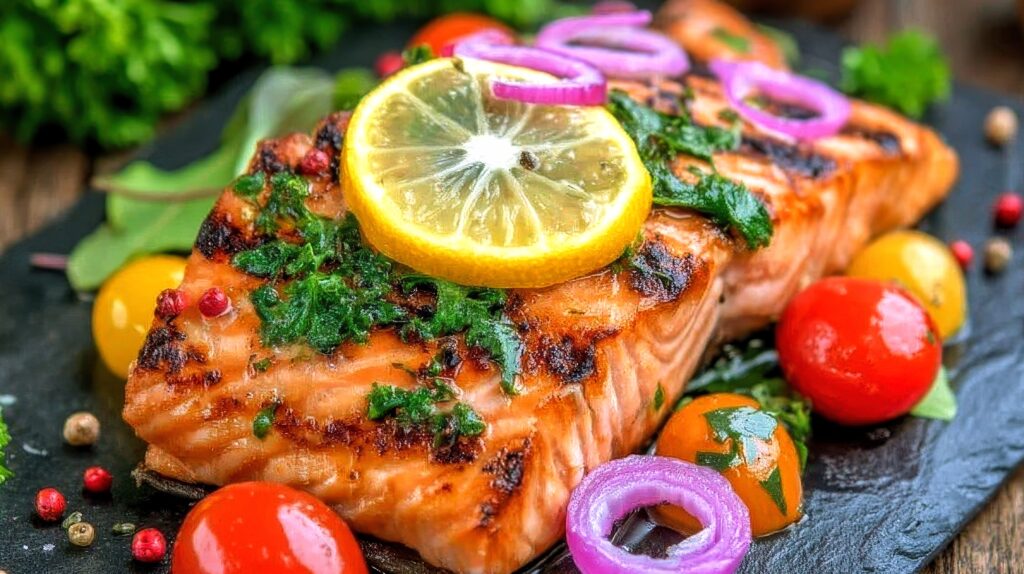
For a Mediterranean-inspired twist, add chopped cherry tomatoes, sliced olives, and a sprinkle of crumbled feta cheese before baking. I first created this variation during summer when I wanted brighter flavors and more color on the plate. The salty olives and creamy feta complement the richness of the fish beautifully. As everything roasts together, the tomatoes soften and release their juices, creating a light natural sauce. The flavors feel fresh, vibrant, and satisfying without becoming heavy. From my experience, this version is especially popular at casual family gatherings because it looks impressive while remaining simple to prepare.
Honey Garlic Version
This version combines a small amount of honey with garlic and lemon juice to create a glaze that lightly caramelizes during cooking. The sweetness balances the natural richness of the fish and creates a beautiful golden finish. I began experimenting with this variation when cooking for family members who preferred slightly sweeter flavors. As the glaze develops, the aroma becomes warm and inviting. The fish remains tender while gaining a subtle layer of complexity. The result feels comforting and approachable while still supporting healthy eating goals.
Spicy Herb Version
If you enjoy a little heat, add crushed red pepper flakes and extra paprika to the seasoning mixture. This creates a gentle kick that enhances the fish without overpowering it. From my experience, moderate spice works best because it allows the herbs and citrus to remain noticeable. The heat develops gradually with each bite, creating a more interesting flavor profile. The aroma becomes slightly bolder during cooking. This variation pairs especially well with roasted vegetables and whole grains.
FAQ About Healthy Salmon Recipe
- Can I prepare a healthy salmon recipe ahead of time?
Yes, you can season the fish several hours before cooking and keep it refrigerated. This allows the flavors to develop slightly before baking. From my experience, prepping ingredients ahead of time makes busy weeknights much easier. Cook the fish shortly before serving for the best texture.
- Is a healthy salmon recipe good for weight management?
Yes, salmon provides protein and healthy fats that can help create a satisfying meal. Pairing it with vegetables and balanced portions works well for many people. From my experience, it keeps you feeling full longer than many lower-protein meals. Portion control still matters.
- Can I use frozen salmon?
Yes, but thaw it completely before cooking. Excess moisture from partially frozen fish can affect texture and timing. I learned this after testing both methods side by side. Fully thawed fillets consistently produce better results.
- How do I know when the fish is done?
the easiest method is checking whether it flakes easily with a fork. The center should appear opaque while remaining moist. From my experience, texture is the most reliable indicator. Avoid waiting until the fish looks dry.
- Can leftovers be stored?
Yes, cooked salmon can be refrigerated for up to three days. Store it in an airtight container for the best quality. I often use leftovers in salads or wraps the next day. The flavor remains excellent when stored properly.
- What side dishes pair best with this healthy salmon recipe?
Yes, simple sides such as roasted vegetables, quinoa, brown rice, or fresh salads pair wonderfully with the fish. These options complement the meal without overpowering it. From my experience, lighter sides create a more satisfying overall plate. Balance makes all the difference.
Conclusion
From my perspective , healthy eating doesn’t have to mean bland food or complicated preparation. This meal proves that a few quality ingredients can create something deeply satisfying while supporting your goals. The combination of garlic, lemon, fresh herbs, and perfectly cooked salmon creates a dinner that feels both nourishing and comforting. From my experience, the recipes that become family favorites are often the simplest ones, and this is one of those meals. Whether you’re cooking for yourself or sharing dinner with loved ones, you’ll appreciate how easy it is to prepare and how rewarding it is to eat. Try this tonight and enjoy.